The term “property stewardship” is increasingly used within the world of high-value homes and second residences, yet many owners are still unclear about what it actually involves.
In practice, property stewardship sits somewhere between facilities management, owner representation, concierge support, and preventative property care. It is not housekeeping, and it is not traditional property management. Instead, it is an ongoing operational role focused on protecting both the property itself and the owner’s peace of mind.
Having spent many years in senior operational leadership overseeing buildings, facilities, construction projects, and hospitality environments, I have come to view properties much like any other complex asset: they perform best when proactively managed rather than reactively repaired.
For owners who are not always in residence, small issues can quickly escalate when nobody is present to notice them. A leaking pipe, failed boiler, blocked gutter, storm-damaged roof tile, or contractor no-show can all become disproportionately disruptive when managed remotely.
Property stewardship is designed to solve exactly this problem.
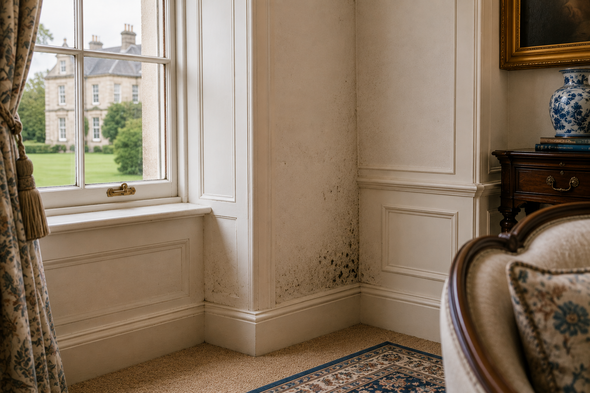
At its core, stewardship begins with routine inspections. Properties are checked regularly for signs of damage, moisture, security concerns, maintenance issues, system failures, or anything else requiring attention. These inspections are not simply box-ticking exercises. They involve understanding how the property operates seasonally, identifying risks before they become larger problems, and maintaining ongoing visibility into the condition and performance of the home.
Importantly, owners should not simply be told that a property has been “checked.” Effective stewardship includes structured reporting, clear communication, and documented observations following inspections. Photographic updates, maintenance recommendations, records of completed actions, and early identification of emerging concerns all form part of providing meaningful oversight and accountability.
Maintenance coordination forms another major part of the role. Contractors need arranging, supervising, scheduling, and often following up. For absentee owners, this quickly becomes one of the most frustrating aspects of ownership. Tradespeople require access, decisions need making, deliveries must be coordinated, and workmanship needs verifying.
Without local oversight, projects can drift, communication becomes fragmented, and owners often lose visibility into what is actually happening at the property.
A good steward acts as the owner’s representative on the ground. That includes meeting contractors, monitoring workmanship, obtaining quotations, coordinating specialist trades, and ensuring projects move forward properly. It also means providing owners with professional communication throughout the process, including progress updates, photographic documentation, records of site visits, and independent oversight of completed works.
Many stewardship arrangements also include refurbishment and project support. This may involve preparing a property for sale, coordinating decorating programmes, overseeing repairs, supporting listed-building maintenance, or assisting with small-scale renovation works. For owners managing projects remotely, having structured reporting and a trusted local point of contact can significantly reduce uncertainty and improve decision-making.
Seasonal preparation is another important component. Rural homes require different operational rhythms throughout the year. Winter preparation, storm readiness, heating management, drainage checks, landscaping coordination, and summer opening procedures all become part of maintaining the property properly over time. Consistent reporting also allows owners to maintain a clear operational picture of the property even while away for extended periods.
Security and emergency response are equally important. If alarms activate, storms cause damage, or utilities fail, absentee owners need somebody local and trusted who can respond quickly and appropriately. In these situations, timely communication, evidence gathering, and clear documentation become particularly valuable, especially where insurance providers or contractors are involved.
Importantly, stewardship is not only about maintenance. It is also about continuity and relationships. Over time, a steward develops familiarity with the property, its contractors, its operational quirks, and the owner’s preferences. That continuity creates efficiency, accountability, and trust.
This becomes particularly valuable in the Cotswolds, where many properties are older, listed, rural, or architecturally significant. These homes often require thoughtful care rather than generic management.
For many owners, the greatest benefit is simply reducing the mental load associated with remote ownership. Rather than constantly reacting to unexpected issues, they gain confidence that the property is being monitored, maintained, documented, and professionally overseen throughout the year.
Ultimately, property stewardship is about long-term care. It is the disciplined management of a property as an important asset rather than simply a place left empty between visits.
The goal is straightforward: ensuring owners can arrive to a home that feels cared for, operational, secure, and properly maintained — without needing to manage every detail themselves from afar.
If you own a second home or property in the Cotswolds and require trusted local oversight, Hanbury Property Stewardship Ltd. provides tailored support for absentee owners throughout the region.
Hanbury Property Stewardship Ltd.
Property oversight, contractor coordination, and long-term care for absentee owners and second homes across the Cotswolds.
[email protected]